How to Use Email Marketing Automation to Improve Customer Retention
Email marketing automation is one of the most reliable ways to improve customer retention because it helps businesses stay relevant after the first sale. Instead of sending one-size-fits-all messages, automated systems use timing, behavior, and customer data to deliver the right message at the right moment. For businesses in Syracuse, NY, that matters even more because local buying habits shift with winter weather, university schedules, neighborhood traffic, and seasonal event cycles.
Retention is not just about sending more emails. It is about building a system that supports the customer lifecycle, strengthens customer loyalty, and increases lifetime value over time. When done well, retention-focused automation turns one-time buyers into repeat customers and keeps your brand present in their inbox without requiring manual effort for every campaign.
What Automated Email Marketing Means for Retention
Email automation refers to automatic sequences that send emails based on events, dates, or audience groups. In retention marketing, these automated workflows assist guide people through the buyer journey after they purchase, subscribe, or show interest. The goal is to support lead nurturing, encourage repeat engagement, and reduce drop-off between purchases.
For retention, the most useful automations are usually drip sequences, trigger-based emails, and lifecycle sequences. A welcome sequence introduces the brand and sets expectations. Post-purchase emails help customers get value from their order. Win-back campaigns and re-engagement emails bring inactive subscribers back into the fold.
The best retention systems rely on subscriber segmentation and personalized messaging. Rather than pushing the same content to everyone, businesses can tailor messages using subscriber behavior, buying history, and where someone is in the client lifecycle. That is where automation becomes more than a convenience. It becomes a practical tool for conversion improvement and long-term relationship building.
Reasons Why Retention Matters for Syracuse Businesses
For businesses in Syracuse, NY, retention can have a larger impact than constant acquisition because local customers often interact with the same brands multiple times throughout the year. A cafe in Downtown Syracuse, a retail shop in Armory Square, or a service provider near University Hill may see repeat visits driven by proximity, habit, and convenience. Retaining those customers means increasing repeat purchases rather than relying only on new leads.
Retention likewise boosts lifetime value. When a customer comes back for a second, third, or fourth purchase, the original marketing cost becomes easier to justify. That is especially helpful for local businesses with tighter budgets, because a strong retention strategy can improve revenue without increasing ad spend at the same rate.
Within Central New York, regional habits shape buying behavior. Winter weather can change shopping frequency and service needs. Back-to-school traffic around Syracuse University can affect timing for promotions, reminders, and product replenishment. Summer event cycles and local festivals can also create seasonal purchasing windows. These patterns make retention marketing especially valuable because it keeps communication aligned with actual customer behavior.
Essential Automated Workflows That Keep Customers Connected
Strong retention programs depend on a few core workflows that work together as part of a larger marketing automation platform. Every one supports a different stage of the after-purchase experience.
Welcome series are the first step. A carefully planned welcome sequence should confirm the subscription, explain what the customer can expect, and reinforce the brand promise. It can also guide new subscribers toward their first purchase using helpful content, social proof, or a limited-time offer.
Post-purchase follow-up emails are equally important. These messages can thank the customer, provide product tips, request feedback, or recommend complementary items. For service businesses, a post-purchase sequence may include onboarding steps, appointment reminders, or usage guidance. These post-purchase emails minimize buyer regret and keep the brand top of mind.
Win-back campaigns target customers who have not purchased or engaged in a while. These automated emails can acknowledge the lapse, share new offerings, and provide a compelling reason to return. Re-engagement emails often work best when they are concise, meaningful, and focused on restoring the relationship rather than forcing a sale.
Other useful workflows include replenishment reminders, anniversary emails, loyalty milestones, and educational sequences. Together, these drip campaigns build consistency, support retention, and make the brand feel responsive instead of reactive.
How to Segment Your Contacts for Stronger Results
Customer retention increases when your emails mirror what customers actually do. That is why behavioral segmentation is so powerful. It sorts subscribers based on behaviors such as viewing certain pages, opening emails, clicking offers, abandoning carts, or making repeat purchases. This makes personalization more useful because the message feels timely and specific.
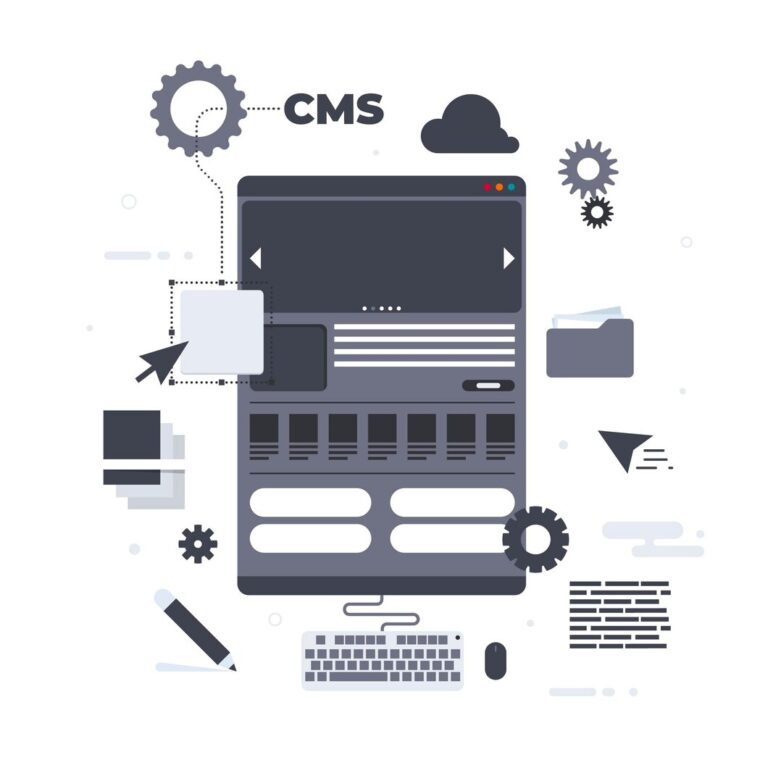
Purchase history is another valuable segmentation layer. Someone who buys often may need rewards benefits or VIP access, while a one-time customer may need extra support and educational content. Customers with different order sizes, product categories, or service needs should not receive the same follow-up sequence.
Good segmentation should also align with the customer lifecycle. New subscribers need welcome content. Active customers may need cross-sells, recommendations, or community-focused content. Lapsed customers need a way back. This lifecycle marketing approach helps businesses send more useful emails without cluttering the inbox.
The best automation programs use dynamic content to adapt messages inside the same campaign. For example, a retail brand in Syracuse might show different offers to students, families, or downtown professionals depending on subscriber behavior and location signals. That kind of personalized messaging can boost engagement rate and make the overall system more efficient.
Building Customer Retention Email Campaigns That Drive Conversions
Even the strongest automation setup will fall short if the email itself is ineffective. Retention emails need effective subject lines, a clear call to action, and copy that feels useful rather than pushy. The goal is to reduce friction and guide the customer toward the next step with very little confusion as possible.
Subject lines should be brief, precise, and aligned with subscriber behavior. For example, a post-purchase message should not sound like a generic promotion. It should reassure the customer why the relationship matters. Subject lines are a major factor in open rates, so they need to capture interest without overselling.
Email copy should focus on understandability and value. Use clear phrasing, keep the message easy to scan, and make one primary action clear. A retention email may include product tips, an educational resource, a limited-time offer, or a reminder about a service appointment. Whatever the angle, the writing should support trust and conversion optimization.
Offer strategy matters too. Not every retention email needs a discount. Sometimes free shipping, early access, a loyalty reward, or a helpful checklist performs better than a price cut. The offer should fit the customer’s place in the journey and the intent behind the message.
Retention emails work best when they feel like a service, not a sales blast. If the message fixes a problem or reduces doubt, customers are more likely to respond.
Measuring Performance and Improving Automation
To improve retention, you need to track how each automation is performing. The key metrics usually include open rates, click-through rates, and conversion rate. These numbers show whether subscribers are noticing the email, responding to it, and taking the desired action.
Automation performance should be reviewed by sequence, segment, and traffic source. A introductory workflow may generate strong opens but poor clicks, which suggests the subject line is working but the offer or CTA needs improvement. A re-engagement flow may have reduced opens but better conversion, which can still be a success if it reaches the relevant former customers.
Testing is one of the most reliable ways to optimize automation. Test subject lines, delivery times, CTAs, deal types, and content length. You can also test different tailoring methods, such as using purchase history versus broader lifecycle cues. Over time, testing enhances email deliverability and lets you learn what actually drives response.
Do not ignore revenue attribution. Retention campaigns often influence repeat purchases over multiple weeks or months, not just immediately after send time. A good CRM and analytics setup can help connect automation to actual sales, renewals, and repeat orders. That makes it easier to demonstrate value and refine the strategy.
Using Community Outreach Cues in Syracuse
Regional context can make nurture emails much more effective. Organizations in Syracuse, NY should take into account local SEO signals, community events, and regional customer behavior when planning automation timing and content. The same message may perform differently depending on season, neighborhood, or event activity.
For example, winter weather in Central New York can change shopping habits. When snow and cold reduce foot traffic, customers may respond better to practical offers, curbside reminders, or service updates. During summer event cycles, people may be more open to local promotions tied to festivals, outdoor activities, or neighborhood gatherings.
Community events around Syracuse University, hospitals, and downtown business districts also create natural touchpoints for timing. A business serving students may want to align retention emails with move-in season, finals, or campus breaks. A healthcare-adjacent service provider may focus on appointment reminders and trust-building content. A local retailer might tailor seasonal promotions to busy shopping periods around the holidays or back-to-school traffic.
These local signals help retention emails feel timely and grounded in real customer needs. They also support stronger engagement because the message reflects what is happening in the customer’s environment.
How to Integrate Email Automation with Other Services
Email automation works best when it connects with the rest of your growth stack. Web design affects how easily visitors subscribe, browse, and convert. If your site does not guide people clearly, even excellent retention emails will have fewer opportunities to start or continue the relationship.
seo services help bring in the right audience in the first place. Strong organic visibility supports the top of the funnel, which gives email automation more qualified subscribers to nurture. When search, content, and retention work together, the customer journey becomes more consistent from discovery to repeat purchase.
Digital marketing delivers the larger plan for promotion across email, social, ads, and content. Retention should not work in a silo. It should support the same brand promise customers see elsewhere, creating a more fluid journey and clearer recall.
ai experts can help businesses leverage better automation, predictive timing, and better personalization logic. AI tools can reveal patterns in subscriber behavior, generate content variations, and improve segmentation decisions. Used responsibly, they can strengthen lifecycle marketing without removing human judgment.
The strongest results often come from connecting these services around a single https://fulton-ny-uq200.fotosdefrases.com/bespoke-flexible-web-design-services-for-forward-thinking-brands-in-syracuse common goal: boosting customer retention and lifetime value through stronger experiences at all touchpoint.
Common Mistakes That Hurt Customer Retention
Many businesses overlook retention opportunities because their automation becomes too aggressive, too generic, or insufficiently connected from customer needs. One of the greatest risks is generating spam complaints. If customers feel overwhelmed or tricked by the content, they will opt out quickly and may report the emails.
List hygiene is another essential issue. Old contacts, invalid emails, and inactive subscribers can hurt deliverability and skew campaign performance. Regular cleaning, suppression lists, and removal of uninterested contacts help protect your sender reputation and keep the list healthy.
Overlooking email frequency can also hurt results. Send too often and people tune out. Send too rarely and they forget your brand. The right email cadence depends on the industry, lifecycle stage, and customer expectations.
Finally, weak message relevance will weaken even the strongest technical setup. If the content does not match subscriber behavior or timing, engagement rate will fall. Retention marketing works when the automation feels relevant, not random. That is why effective segmentation, personalized marketing, and well-planned lifecycle marketing are so important.
Frequently Asked Questions About Email Marketing Automation for Retention
What is email marketing automation for customer retention?
Email marketing automation for customer retention is the process of automated email sequences to keep existing customers connected after the first purchase. It supports customer trust, repeat sales, and customer value by sending timely messages at the right stage of the customer lifecycle.
Which automated emails work best for keeping customers coming back?
The most effective automated emails usually include a welcome sequence, after-purchase emails, reactivation campaigns, and re-engagement emails. These workflows support lead nurturing, improve engagement rate, and help customers stay in touch to your brand over time.
How do I segment customers for retention emails?
Use customer behavior data, purchase history, and customer lifecycle stage to group subscribers into meaningful audiences. This makes personalization more accurate and improves message relevance. A CRM and marketing automation platform can help manage those segments efficiently.
What frequency should Syracuse businesses send retention emails?
There is no single answer, but Syracuse businesses should base email cadence on customer expectations, seasonality, and subscriber behavior. Local factors like winter weather, back-to-school traffic, and summer event cycles can affect timing, so test frequency carefully and watch for unsubscribe or spam complaint trends.
Sunstone Digital Tech201 E Jefferson St, Syracuse, NY 13202
(315) 758-3349
https://maps.app.goo.gl/LNcnKZaUXSqxHPoT8
https://sunstonedigitaltech.com/
43.0471862, -76.1504376
What is the best way to measure whether my retention automation is working?
Track open rates, click-through rates, conversion rate, and campaign performance across each sequence. Use A/B testing to improve subject lines, calls to action, and offer strategy. A strong CRM setup can also help connect retention emails to revenue attribution and repeat purchases.